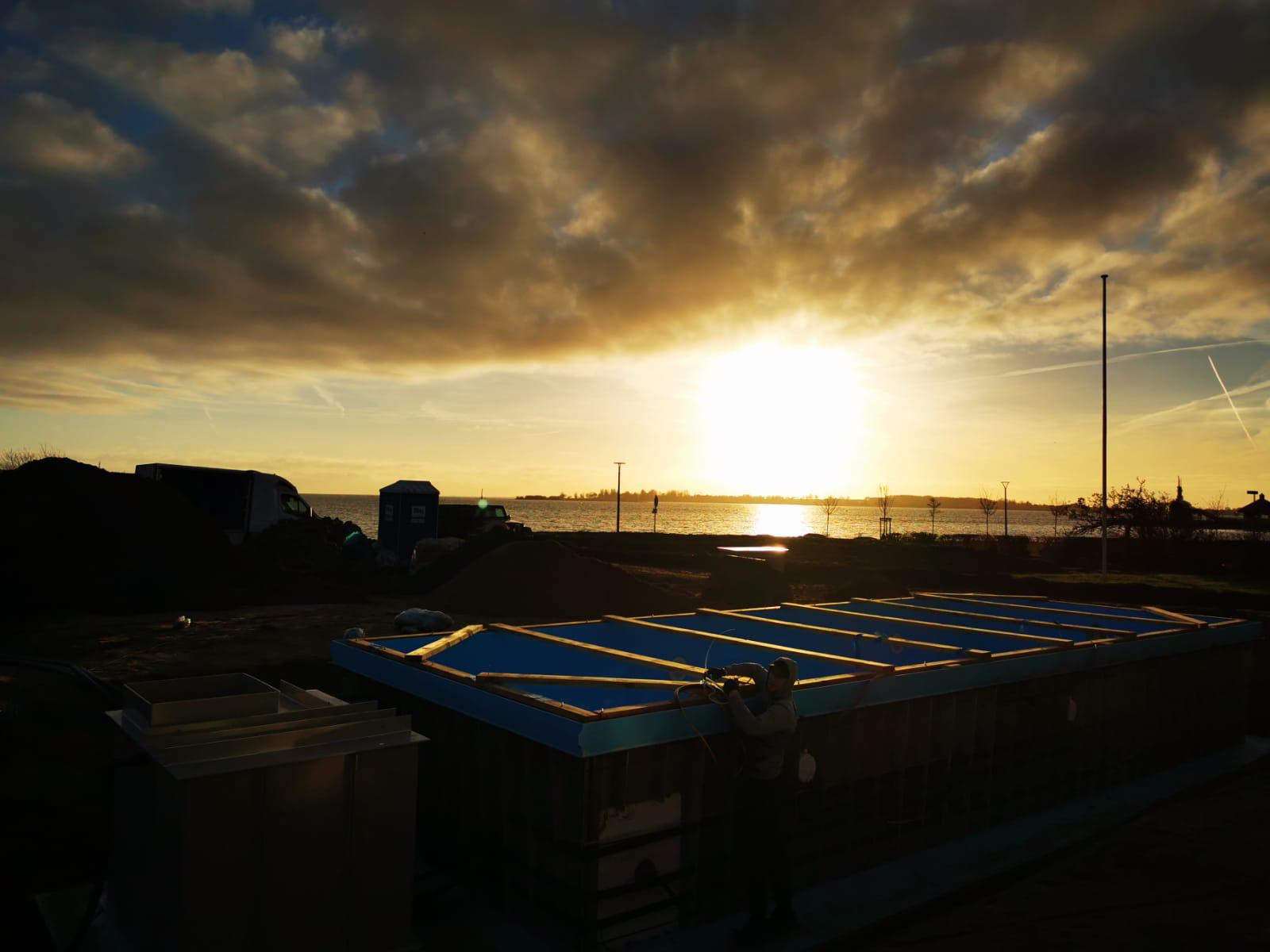
Building a Polypropylene Pool on Challenging Terrain – A Complete Investor’s Guide
The Challenges of Modern Garden Architecture
The dream of having crystal-clear water in your own garden often faces the reality hidden beneath the soil surface. Many investors abandon their pool plans when they learn about high groundwater levels or when their plot is located on a beautiful but problematic slope. However, it is important to understand that modern polypropylene (PP) pool technology, combined with the right engineering expertise, allows for a safe and durable installation even in the most unfavorable conditions. The key to success is not fighting nature, but skillfully adapting the construction to the demands imposed by the local geology.
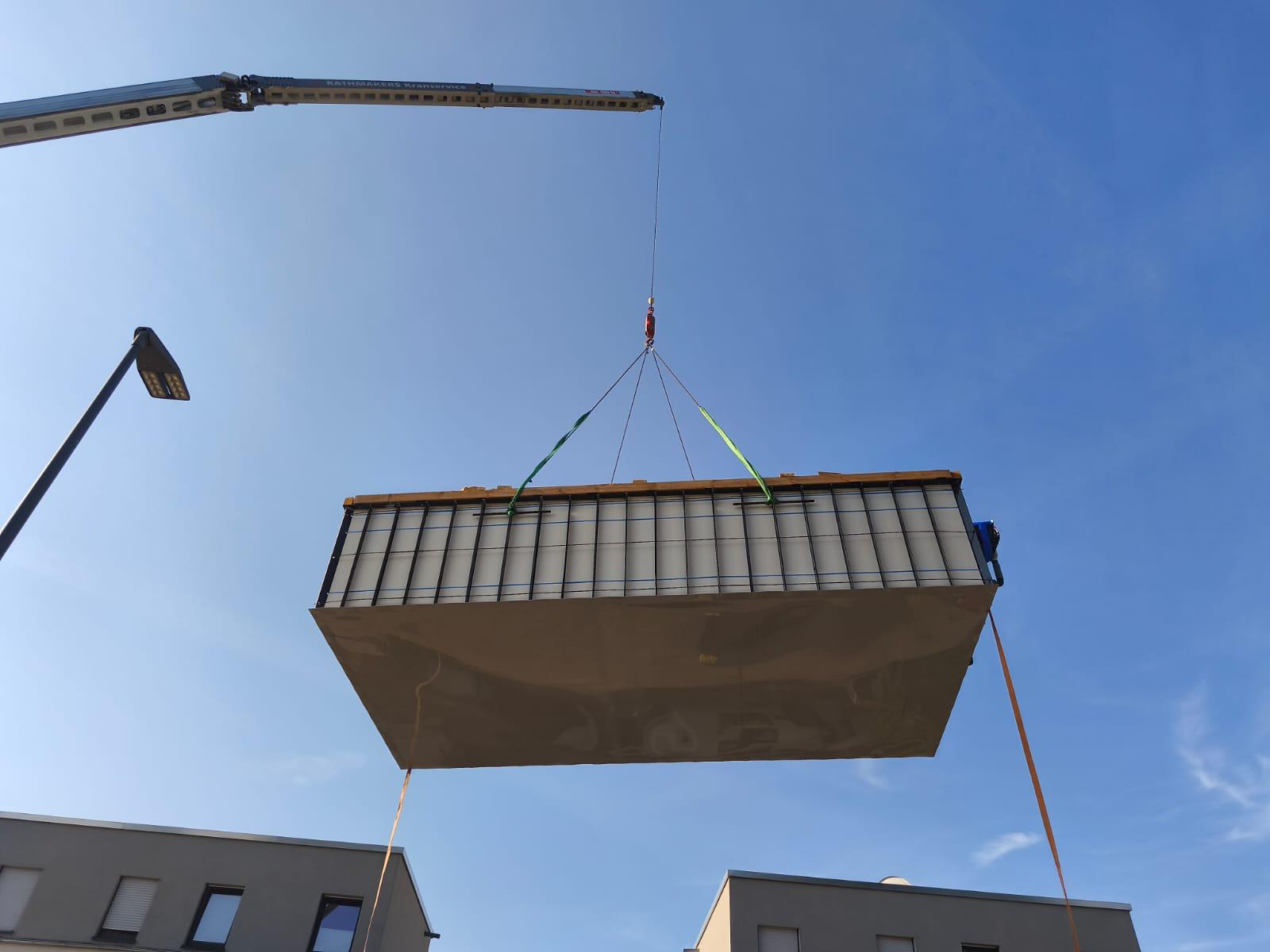
The Invisible Opponent – High Groundwater Levels
In the case of marshy or wet soil, the biggest challenge is the buoyancy force of the water, which acts on the pool shell in a way similar to the forces acting on a ship's hull. Although polypropylene is an extremely durable, flexible, and crack-resistant material, an improper installation in such terrain could lead to serious structural complications. The solution we successfully implement at pp-pools.eu is an advanced perimeter drainage system integrated with a control well. This allows for the controlled removal of excess water from around the shell, stabilizing the external pressure acting on the pool walls. Properly designed drainage is not just a matter of safety, but also of thermal comfort – it protects the system from being cooled by cold subsurface water.
The Foundation as a Safety Anchor
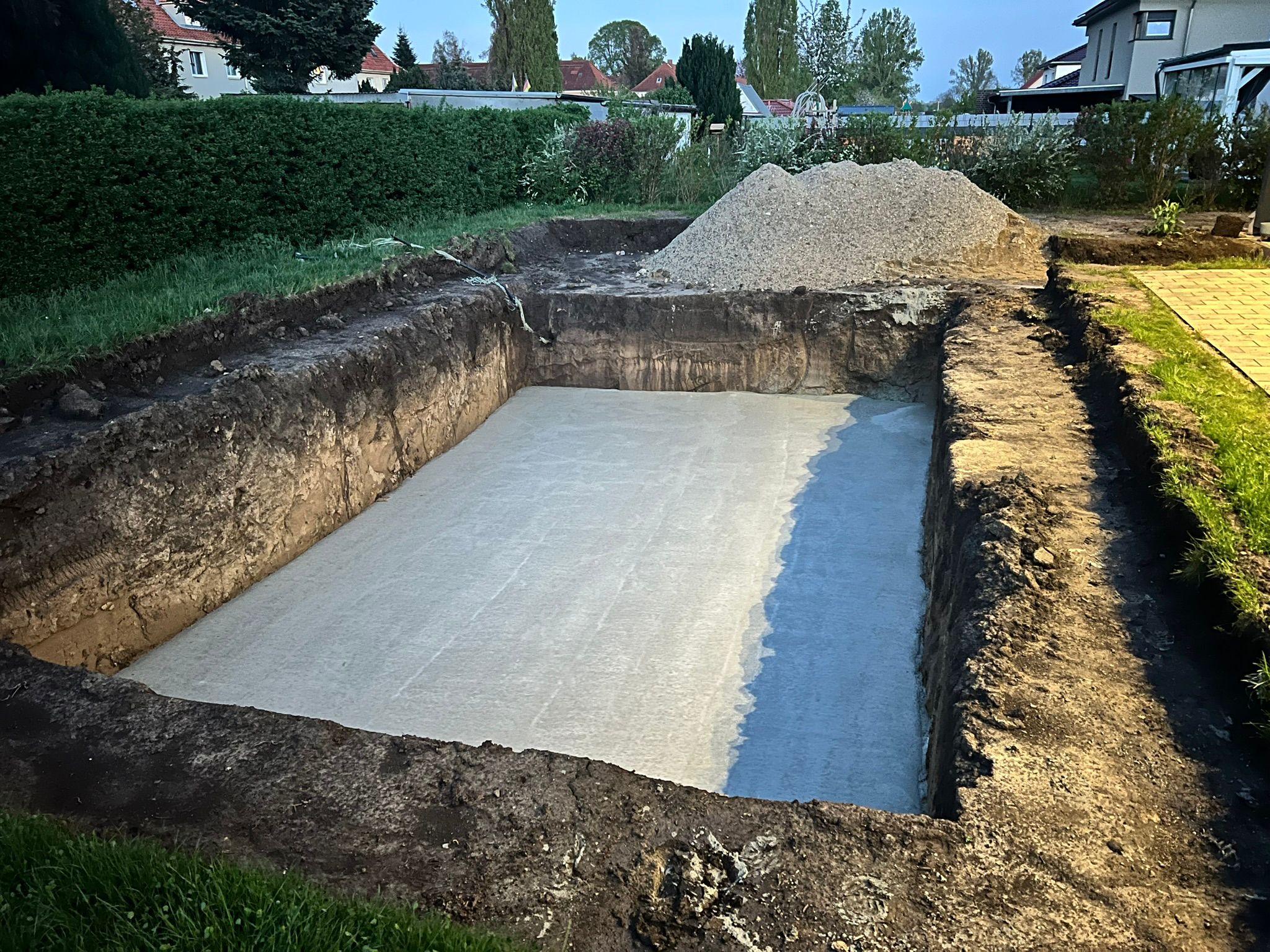
An extremely important element in difficult terrain is the construction of a reinforced foundation slab with a dedicated anchoring system. In standard conditions, concrete serves merely as a support, but with high groundwater, the shell must be permanently connected to the ground. By using special protrusions and ribs in our PP pools, the concrete mass tightly envelops the structure, making it an integral part of the terrain. This prevents uncontrolled movements of the shell that could occur during heavy rainfall or rapid spring thaws when water levels rise drastically. Such an "anchor" ensures that the pool will remain in place for decades, regardless of the whims of the weather.
Engineering Magic on Slopes and Hills
Building on slopes or steep terrain is another challenge where polypropylene pools have a chance to demonstrate their superiority. Here, the key role is played by the retaining structure and the precise, layered backfilling of the shell with dry concrete. Polypropylene, thanks to its structure and the ability to integrate additional external reinforcing ribs, works perfectly with concrete stabilization. A properly designed pool on a slope can become the most stunning element of landscape architecture, creating spectacular water terraces and viewpoints that would be much more difficult or expensive to achieve with other technologies.
Knowledge and Analysis – The Key to Peace of Mind
However, let us remember that the foundation of safety in difficult terrain is always a reliable soil analysis conducted before starting any work. By choosing a PP pool, you are investing in technology that, while maintaining appropriate technical procedures, guarantees peace of mind for years. Professional advice allows for the avoidance of errors during the excavation stage, which translates into lower operating costs in the future. Regardless of whether your plot is marshy or located on a steep hill, there are proven methods to enjoy the luxury of having your own pool without worrying about ground stability.